Final stretch at the Capitol: Tax and other business priorities take center stage

By Doug Loon
President and CEO
Minnesota Chamber of Commerce
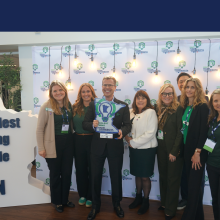
Coming to you after yet another busy week at the Capitol. In fact, we had 2026 Chamber Day at the Capitol where about 175 business leaders came together from across all sectors and across the state to make sure that policymakers heard firsthand about the issues that will help shape Minnesota’s economic future. With just five weeks remaining before the May 18 adjournment, the Legislature is entering a critical stretch. Lawmakers are working through many bills and important decisions in a closely divided House and Senate, with the House equally divided. That reality requires collaboration to ensure meaningful outcomes, and we are doing our best to deliver real results for the business community this year.
One of the biggest unresolved issues is federal tax conformity, where lawmakers have yet to act on key provisions that would help lower costs and improve cash flow for Minnesota businesses. These include Section 179 expensing, bonus depreciation and research and development expensing. All are designed to encourage investment, innovation and economic growth in Minnesota. If the Legislature does not act, the state will fall further behind others that have already conformed to these provisions, something we cannot afford if we want to remain competitive.
Restoring the Pass-Through Entity tax, or PTE tax, also remains a top priority. This policy provides federal tax relief to more than 66,000 Minnesota businesses without impacting state revenues. It is a straightforward solution, and we are urging lawmakers to move forward quickly. At the same time, there are proposals under consideration that would increase taxes, including expanding investment income taxes and creating a new wealth tax. These ideas move Minnesota in the wrong direction at a time when we are already among the highest taxed states in the country.
We are also continuing to push for reforms to the paid family medical leave law. Employers continue to raise concerns about costs and implementation challenges. When combined with the earned sick and safe time law, these mandates create a significant burden for businesses. Addressing these issues is essential to ensuring that employers can remain competitive and continue to grow in Minnesota.
Other proposals, such as restrictions on non-disclosure agreements, or NDAs, in economic development projects, remain in play. These agreements are often necessary in the early stages of major projects, and limiting their use could put Minnesota at a disadvantage when competing for investment and job creation. Additional topics including artificial intelligence, health care costs, energy policy and environmental regulations are also being debated. The Chamber continues to advocate for a balanced approach that supports innovation, competitiveness and long-term economic growth in our state.
We have important work ahead in these final weeks. Thank you to everyone who participated in Chamber Day at the Capitol; your engagement makes a difference. Please continue reaching out to your legislators as we move toward the end of the session.
We look forward to catching up with you on next week’s episode of the Minnesota Business Podcast.
SHARE


Recommended Articles