The lifecycle of recycled plastic in Minnesota Part 2: Processing and pelletizing

Chelsey Sloan
Sustainability Specialist
Minnesota Chamber Environmental Sustainability Foundation
In Part 1 of this series, we followed plastics from the recycling bin to two of Minnesota's materials recovery facilities (MRFs), where paper, cardboard, cartons, metal, glass and plastic containers are separated into individual material streams. After plastics are sorted and baled by type, they are loaded into tractor trailers and shipped to the next stage of their journey, where they are processed and prepared to be recycled into new products.
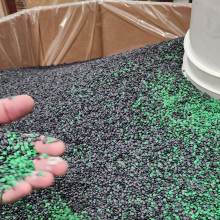
This stage often starts with additional sorting to remove any lingering contaminants. From there, plastics are shredded into flakes, washed to remove labels and residue, melted in an extruder, filtered and turned into pellets. Some recyclers specialize in post-consumer plastics, which are items that have already been used by consumers, such as plastic bottles or containers collected through recycling programs. Others focus on post-industrial plastics, which are leftover scraps and trimmings generated during manufacturing before products ever reach consumers.
To better understand what happens to plastics in this stage of the process, I visited two Minnesota businesses working to keep plastics in circulation and prepare them for their next life.
Choice Plastics
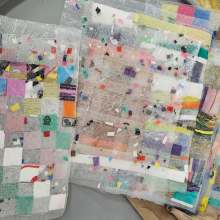
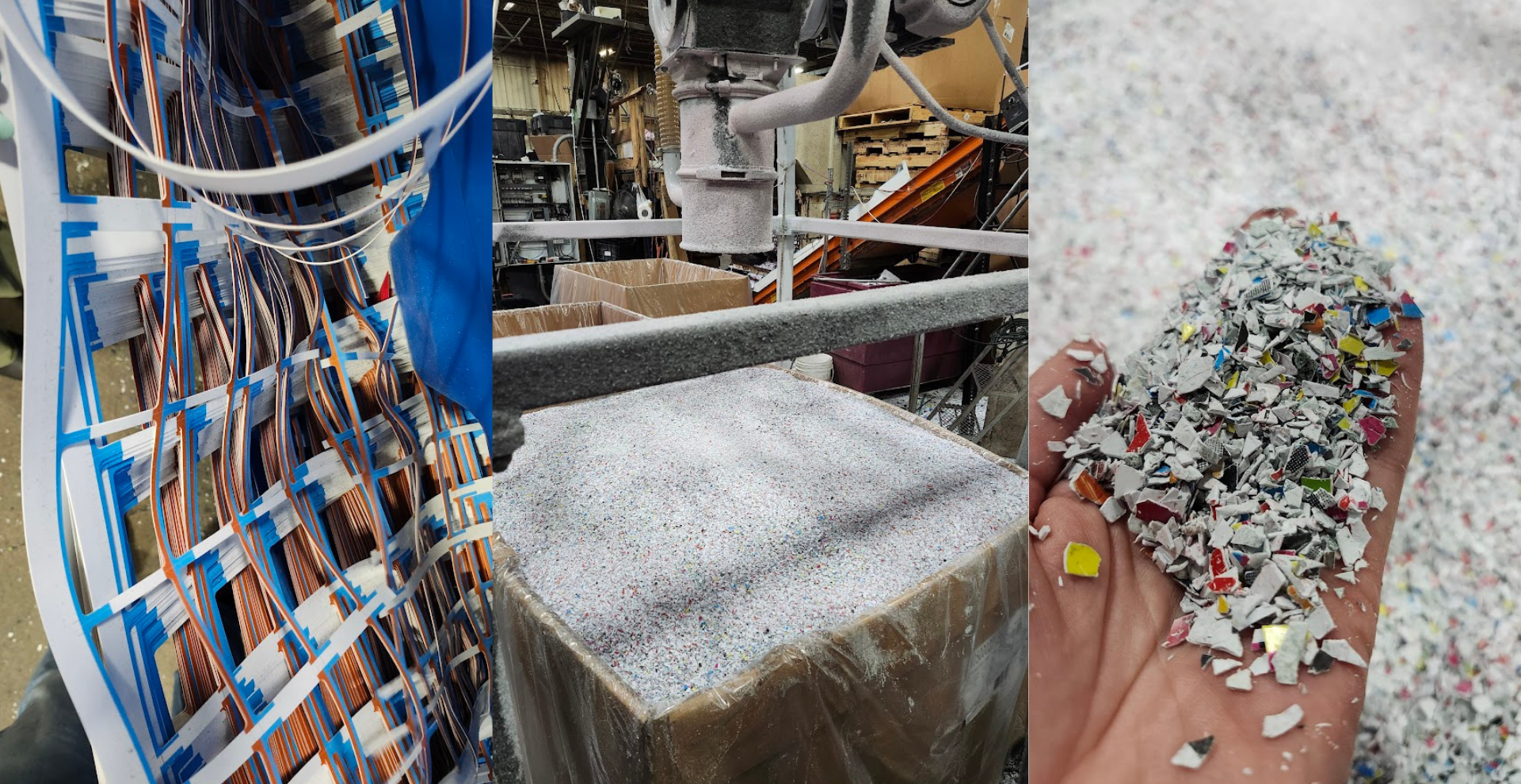
Located in Mound, Minnesota, Choice Plastics is a plastic recycler that works almost exclusively with post-industrial plastic scrap generated during manufacturing before reaching consumers. Their incoming material includes off-spec plastic products that do not meet a manufacturer's specifications, scraps from the production of plastic signs, cards and display materials, old and broken recycling and trash carts, and leftover or offcut material from manufacturers across Minnesota.
Inside the facility, these plastics are sorted and ground into flakes known as "regrind" or melted down into pellets. Choice Plastics then sells this recycled material to manufacturers making products such as agricultural drainage tile, composite decking, flowerpots, plant trays and outdoor furniture. Some of the printing industry scrap they receive is recycled into new plastic sheets for the printing industry - an example of a closed loop system, where a product is made, used, then turned back into that same product. Many of Choice Plastics' suppliers are in the Midwest, including companies such as Loll Designs in Duluth, which makes outdoor furniture using plastic with recycled content.
"Save the molecule!"
This phrase came up repeatedly during my conversation with Choice Plastics' owner and president, Steve Hall, and it captures the company's philosophy well. The idea is simple: a tremendous amount of energy and resources already went into creating the plastic that currently exists. Recycling preserves those materials so they can continue circulating through the economy instead of being discarded after a single use.
That philosophy also shapes how Choice Plastics thinks about product design and consumer expectations. Hall noted that cosmetic preferences can make recycling more difficult, especially when manufacturers demand perfectly clear or consistently colored plastic packaging.
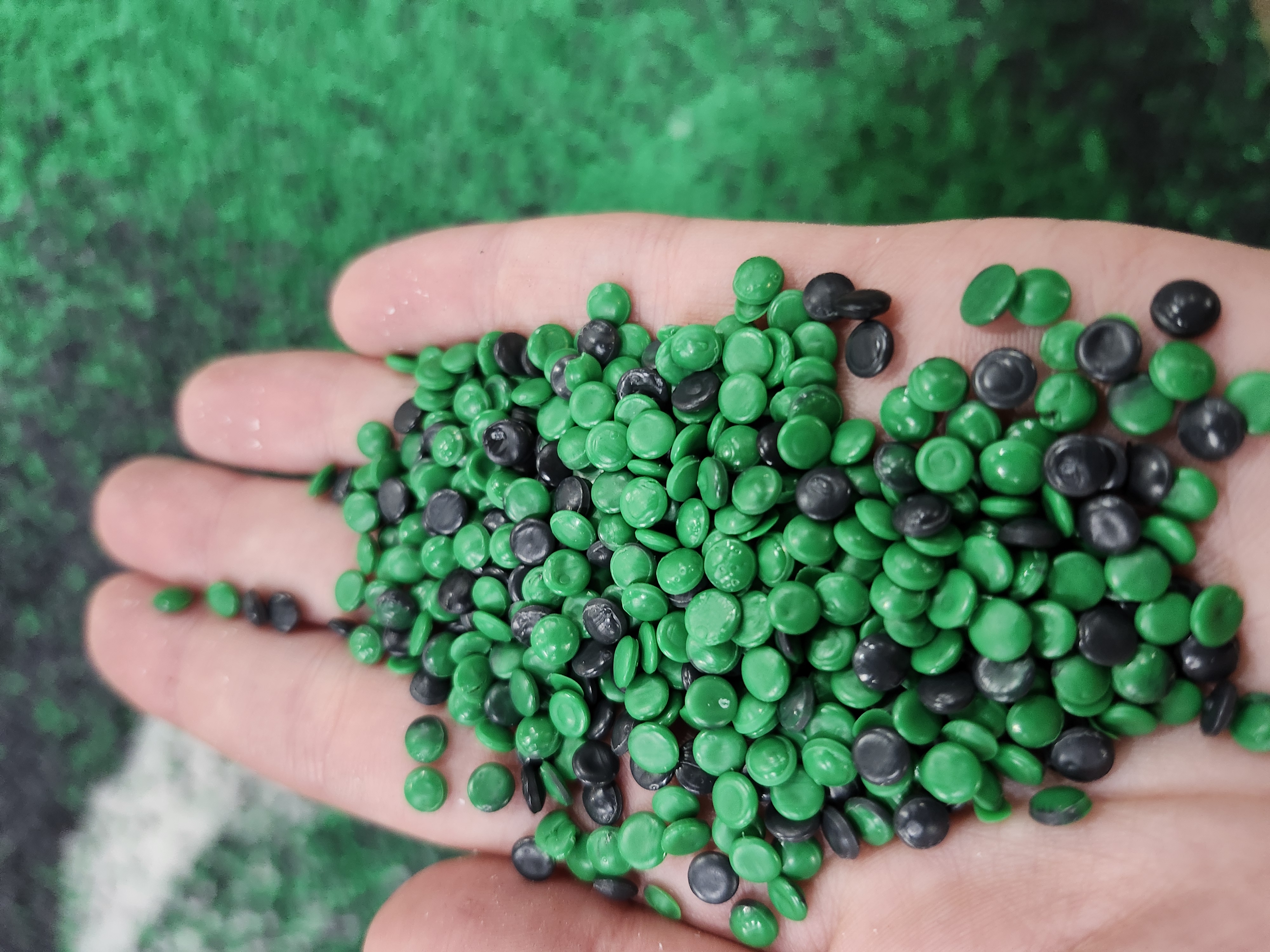
Clear plastics are often more valuable because they can be made into any color. Colored plastics, however, have limited end markets as they can only be recycled into products of the same color or darker, limiting how the material will be used next.
"We don't need to have clear Coke bottles or perfectly orange Tide bottles," Hall explained. "We should focus on reusing the plastic that's already out there, even if it's a different color."
Market pressures and looking ahead
Like many recyclers, Choice Plastics faces challenges competing with inexpensive virgin resin. Recycled materials can be harder to sell when manufacturers can buy virgin resin at similar or lower prices. Hall believes stronger demand for recycled content, along with better product design for recyclability, could help strengthen markets for recycled plastics in Minnesota. He remains optimistic about the future of recycling for plastics, pointing to growing public awareness, technological advancements and increasing conversations around extended producer responsibility (EPR) and recycled content policies.
GDB Circular
While Choice Plastics focuses primarily on post-industrial scrap, GDB Circular in Rogers specializes in recycling post-consumer plastics. The company operates plastic recycling facilities in Minnesota, New Jersey and Tennessee, producing post-consumer resin (PCR) through a combination of optical sorting, friction washing and extrusion.
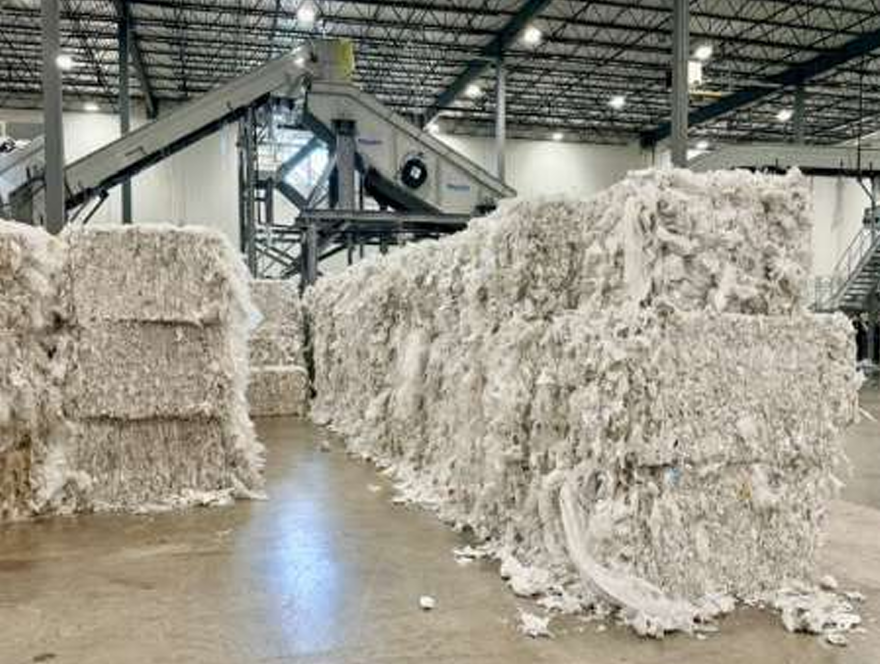
GDB Circular's Rogers facility can process up to 45 million pounds of plastic annually and operates two processing lines: one for HDPE plastics such as milk jugs, and another for LDPE and LLDPE film plastics such as stretch wrap. After purchasing plastic bales, GDB further sorts and cleans the material at a separate facility to ensure they are working with the highest-quality material as possible. The plastics are then sent to the Rogers facility, where they are shredded, washed, melted and formed into pellets that manufacturers can use in new products and packaging. Both lines are certified to produce food-grade recycled resin, meaning materials like recycled milk jugs can be turned back into food-grade packaging.
Some of GDB Circular's feedstock comes from Minnesota recycling programs, including milk jug bales sorted by Eureka Recycling. However, because the facility is still relatively new, much of its incoming material currently comes from outside Minnesota through established supplier relationships across North America. GDB Circular is actively working to build more partnerships within Minnesota and is looking to expand relationships with local suppliers and recycling programs as they continue to grow.
Closing the loop on boat wrap film
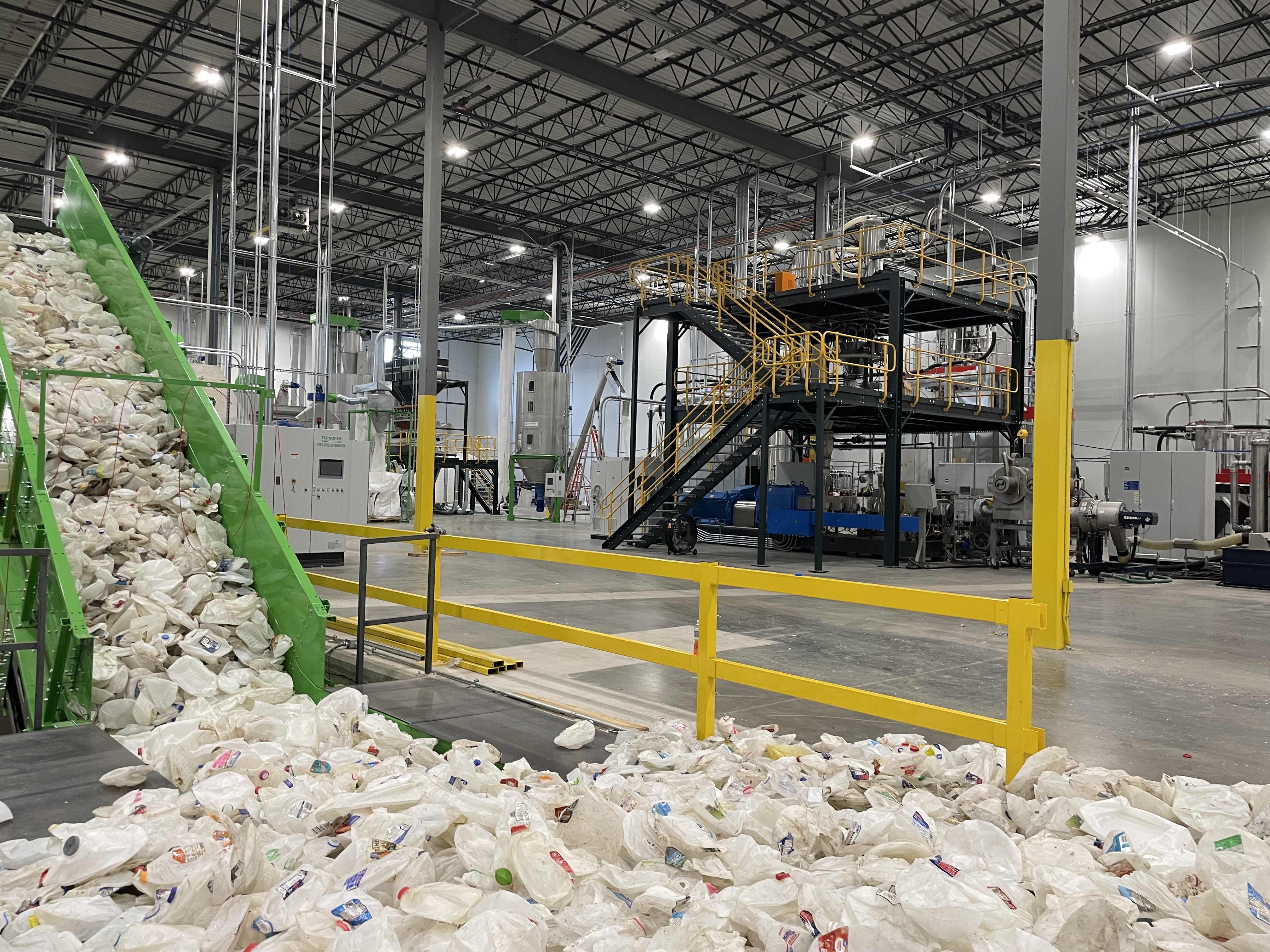
GDB Circular is also finding ways to strengthen regional recycling loops through targeted partnerships. One pilot project focuses on recycling boat wrap film - plastic used to wrap and protect boats during storage and transport. This material is typically difficult to recycle due to contamination, moisture and odor.
Through a partnership with Charter Next Generation and the Council of the Great Lakes Region, GDB Circular is working to develop a process to clean the film so it can be recycled into plastic pellets. Those pellets will then be sold to film manufacturers that can use the recycled material to produce new boat wrap, creating a closed loop system.
This project aligns with Minnesota's growing focus on boat wrap recycling and product stewardship law, which aims to expand collection and recycling opportunities for marine plastics across the state. The work also demonstrates that even challenging materials can be recovered and reintroduced into manufacturing streams when there is collaboration across consumers, recyclers, manufacturers and policymakers.
Holding steady in a shifting industry
The recycling industry can be a challenging one to navigate, with changing market conditions, fluctuating material prices and inconsistent supply and demand. GDB Circular's CEO, Avinash Singh, emphasized the importance of staying committed through market downturns, noting that when recycling businesses close it can send the wrong signal to the broader industry. As he put it, "a rising tide lifts all boats, but a falling tide can just as easily pull them down," reinforcing the need for long-term commitment even during difficult market conditions.
Despite these challenges, Singh remains optimistic about the future of the industry and the growing demand for recycled content.
"I have a great amount of confidence in the consumer and in general human beings doing the right thing," he said. "People will continue to come around to it."
In Part 3 of this series, we'll follow recycled plastics to their final stage and take a closer look at how two Minnesota manufacturers are turning recycled plastic into products used in homes, gardens and creative spaces across the country.
Waste Wise can help you reduce waste and save money
Waste Wise experts have secured more than a million dollars in grants for Minnesota businesses that reduce, reuse, and recycle. We’re here to help you get started. A site visit is a quick and easy way to identify projects that help your organization reduce waste and save money.
SHARE


Recommended Articles