Minnesota employers prepare for 2026 Paid Family and Medical Leave mandate at Chamber Compliance Conference
By Doug Loon
President and CEO
Minnesota Chamber of Commerce
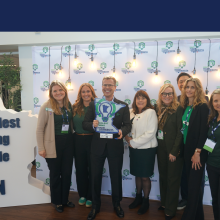
Last week, we hosted our 2025 Workplace Compliance Conference, designed to help businesses better understand and prepare for the sweeping changes to Minnesota’s workplace regulations that have been rolling out since 2024. We now stand at the doorstep of the largest of those new mandates — the Paid Family and Medical Leave law, which takes effect on January 1, 2026. Now’s the time for businesses and employees alike to prepare for this new reality.
Since the 2023 legislative session, we’ve seen an entire array of new workplace mandates come online — including Sick and Safe Time — but none as far-reaching as Paid Family and Medical Leave. The law introduces new requirements and restrictions that will significantly impact how businesses operate.
This week’s program was a lively discussion. We kicked things off with Lauryn Schothorst, the Chamber’s Director of Workplace Management and one of our key advocates at the Capitol. Lauren has been working closely with policymakers and regulators to help make this system function as smoothly as possible. But make no mistake — the Chamber opposed this law from the start and continues to push for meaningful reforms that reduce disruptions to the private marketplace and protect Minnesota’s competitiveness.
We also heard from several key leaders. Nicole Blissenbach, Commissioner of the Department of Labor and Industry, joined us to discuss workplace safety and her agency’s role in implementing Sick and Safe Time. We also welcomed Greg Norfleet, Director of the Paid Family and Medical Leave program at DEED, who shared updates on the rollout of this extensive new mandate and what employers can expect as implementation begins.
One of the most valuable parts of the day was our roundtable discussions, where business leaders exchanged solutions and asked pressing questions. Annette Kojetin, the Chamber’s Senior Vice President and CFO, shared how the Chamber’s Business Services division (MCBS) is developing private-market options to help employers meet these mandates. Experts from Faegre Drinker, Growth Operators, and the Minnesota Secure Choice Retirement Program also contributed their perspectives, helping employers find practical paths forward.
Ultimately, this law will have major implications for both business productivity and Minnesota’s competitiveness. With the state’s ongoing labor shortage, navigating these changes won’t be easy — but it’s our responsibility at the Chamber to ensure that you have the tools, resources, and information needed to adapt and succeed.
Stay tuned for more upcoming programs to help your business prepare. Visit mnchamber.com to explore our resources and events — including more sessions like this one — designed to help Minnesota employers thrive in this new era of workplace change. We also have a PFML resource guide that can be found here.
SHARE


Recommended Articles