Understanding Paid Family and Medical Leave with Rep. Dave Baker
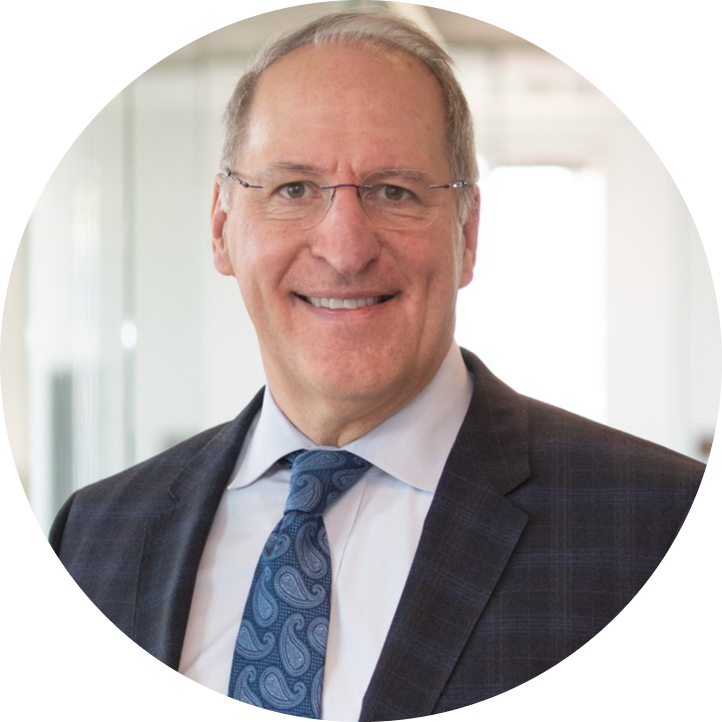
By Doug Loon
President and CEO
Minnesota Chamber of Commerce
Minnesota is now just 100 days away from one of the largest new mandates ever placed on employers and employees in our state — the Paid Family and Medical Leave law, effective January 1, 2026.
On this week’s Minnesota Business Podcast, I spoke with my friend and state representative Dave Baker about what this means for our economy, the challenges businesses face and how employers can prepare.
At the Chamber, our goal is to both pursue reforms and provide resources like our Paid Leave Toolkit to help Minnesota businesses navigate this transition successfully.
Doug Loon: The state is facing an important milestone. We've talked about this many times in the past, but now we're officially in the 100-day countdown to Minnesota's new Paid Family and Medical Leave law. The law takes effect on January 1, 2026 — not very far away. This is one of the largest new mandates ever placed on Minnesota employers and their employees. The Chamber has been working hard to reform the mandate but also preparing businesses for what's ahead. We've launched a Paid Leave Toolkit, available on our website at mnchamber.com.
There you'll find regular updates with the latest information, resources, and answers to employer questions between now and the go-live date of January 1, 2026. Our goal is to help make sure Minnesota employers — you, business owners and managers large and small — have the resources to navigate this transition successfully. It poses a number of very significant challenges. This also serves as a great reminder to register for our 2025 Workplace Compliance Conference, where we will help compliance professionals understand the full scope of PFML requirements and have live a walk-through of the program with DEED, plus more. Register here.
On this week’s episode of the Minnesota Business Podcast today, and going forward, we're going to be bringing you regular content leading up to January 1. That will include updates, conversations with experts, and most importantly, perspectives from business leaders and policymakers. I'm so thrilled and honored to have with me today our friend, Representative Dave Baker from the Willmar area. Dave is a respected voice at the Capitol because he's a business owner and he brings a local perspective to policymaking.
He co-chairs the important Workforce, Labor and Economic Development Finance and Policy Committee. He's also on the Energy Finance and Policy Committee, as well as the Ways and Means Committee. He's a senior leader at the Capitol and a trusted partner with many groups, including the Chamber, helping folks understand the implications of laws and how they impact our communities and businesses.
So Dave, thank you for joining us today. You bring a unique perspective not only as a legislator, but also as a business owner in hospitality who sees the impact of policy up close every day. You live these challenges and bring that to your work at the Capitol to help shape good public policy. Today we'll talk about how you're handling the mandate as both a business owner and a policymaker. Welcome, Dave, and thank you for being with us.
Representative Dave Baker: Thanks, Doug. It's great to be here again. As a business owner, there are a lot of things keeping me up at night right now about the economy in Minnesota and this Paid Family and Medical Leave mandate. I'm glad we're having this conversation and being honest about it. Thank you again for inviting me.
DL: You're welcome, Dave. You're a great friend and it's a thrill to have you with us. As you noted, Minnesota is not reaching its economic potential. We're lagging on GDP growth, productivity, and workforce participation. In my opinion, this new mandate puts more strain on our economy’s ability to grow.
As you think about the two hats you wear — small business owner and legislator — give us your perspective on this mandate and its impact on Minnesota’s economy and communities.
DB: I've been in the legislature for 11 sessions, 11 years. I saw this idea come up 4–6 years ago as sort of a pipe dream. But back in 2023, when the trifecta became a reality after the election, I saw they were lining everything up.
As a business owner and the lead on the Workforce Committee at that time, I reviewed the bill again. It hadn't changed much from earlier versions. Suddenly they had the votes to push it through. I thought, this is not reality. They don’t understand what this will do to small businesses or to collective bargaining agreements that already account for paid leave.
This is a one-size-fits-all approach that will leave us with a huge void of workers. Forget the tax for a minute — the bigger problem is that it will naturally pull people away from work more often than they do now.
Business owners across the state — in Willmar, in Kandiyohi County, and beyond — are freaking out. Many don’t even know this is coming. Once they realize, this could become a disaster in the making. Businesses are already stretched thin, some ready to throw in the towel. I hope they don’t, but this is very personal to me because I live it every day.
DL: That’s why we love your passion, Dave. At the Chamber, our role is to seek reforms to this law while also helping members prepare. Employers also need to help employees understand the consequences.
When I speak with businesses around the state, I ask: Have you had this conversation with your ownership team and with your employees? Because there are consequences for both.
Dave, going back to your role as co-chair of the Workforce and Labor Committee, you dug into this deeply last session. You and the Chamber worked on reforms, but only minimal changes were made. Can you share what you tried to accomplish and what the outcome was?
DB: After the last election broke the trifecta, we finally got hearings with business owners and groups like the Chamber. We brought forward private options, scalable approaches for small businesses, and plans with different rules for companies above and below 50 employees.
Rolling into this year, I co-chaired the committee, and we tried again. We proposed reducing the 20 weeks down to something more reasonable — maybe 12 plus two for complications. We wanted to narrow the overly broad definition of “family,” and limit how fast tax rates could rise. We even proposed a one-year delay just to give businesses time.
We weren’t asking for repeal, but for something workable. The benefit itself is notable, but it doesn’t work the same for everyone. Unfortunately, those reforms weren’t accepted.
DL: You’ve described this as a one-size-fits-all program. Our members tell us they design leave policies around the unique needs of their employees and their business. That will fundamentally shift on January 1.
It’s also worth pointing out that the legislature won’t reconvene until mid-February, more than a month after the law takes effect. Looking ahead, what do you expect next session — status quo, or possible adjustments?
DB: When January 1 hits, it won’t feel like a bomb going off immediately. The problems will surface when people start applying for leave and don’t get paid because the system isn’t ready. Employers will face conflicts with employees because of that third-party involvement.
By April, when employers start making tax payments, employees will notice the deductions. That’s when the real questions will come. I’m very concerned the Department of Employment and Economic Development will try to make the program look better than it is.
In early 2026, parental leave claims will spike and industries like teaching and manufacturing will feel major strain. In my committee, I’ll be focused on listening to businesses, nonprofits, and unions who are frustrated. I may even hold informal hearings before session starts because we need to hear about problems as soon as possible.
DL: We’re almost out of time, Dave. One last question: what’s your message to business owners and managers listening today? How should they approach compliance and engagement to help right-size this mandate in the future?
DB: My message is simple: this isn’t going away. Business owners need to get engaged in the process. That means participating in elections, talking to your employees, and helping them understand why balance matters.
Minnesota is a great state to do business, but if we don’t change the way it’s governed — taxes, mandates, regulations — we’ll lose that advantage. Fight for what you know is right. Don’t give up. Talk to your representatives, GOP and DFL alike. Remind them that paid family leave doesn’t happen without jobs — and you are the ones creating those jobs.
DL: Thank you, Dave. I couldn’t agree more. To our listeners, thank you for joining us today for the Minnesota Business Podcast. A special thank you to Dave Baker for being with us — a wonderful friend and great leader.
Remember, there is a Paid Leave Toolkit at mnchamber.com. It’s your resource to help you understand your responsibilities as employers and employees before the law takes effect January 1, 2026.
Thanks again to Dave Baker and thank you all for listening. We’ll catch up with you next week on the Minnesota Business Podcast.
SHARE


Recommended Articles