The lifecycle of recycled plastic in Minnesota part 1: Collecting and sorting

Chelsey Sloan
Sustainability Specialist
Minnesota Chamber Environmental Sustainability Foundation
From the blue bin to... where, exactly?
What happens to a plastic bottle after you put it in the recycling bin? There is plenty of speculation about where our plastics end up after the blue bin - being shipped overseas, ending up in the ocean or simply being thrown away as trash. While there can be some truth to these claims globally, it’s important to understand that recycling is largely a regional system. Here in Minnesota, much of our recycled plastics stay within the U.S., the Midwest or even in the state, where they are processed and turned into new products. This network of processors and manufacturers helps ensure that these valuable materials are recovered and put back into use.
As a Sustainability Specialist with Waste Wise, I wanted to better understand the journey our plastics take after the blue bin. To find out, I spoke with recyclers in Minnesota who work at different stages in the plastics recycling system. This is part one of a three-part series exploring the lifecycle of recycled plastics in Minnesota - from collection and sorting to recycling and remanufacturing.
Step 1: Collecting and sorting
When you place a plastic bottle into the recycling bin, its journey is just beginning. In Minnesota, collected recyclables are transported to materials recovery facilities (MRFs), where they are sorted into the following categories: paper, cardboard, cartons, metal, glass and different types of plastics. Most curbside recycling programs in the state accept plastic containers with resin codes #1 (PET), #2 (HDPE) and #5 (PP), which have established recycling end markets.
To see this sorting stage in action, I visited two Minnesota MRFs: Dem-Con Companies in Shakopee and Eureka Recycling in Minneapolis.
Dem-Con Companies
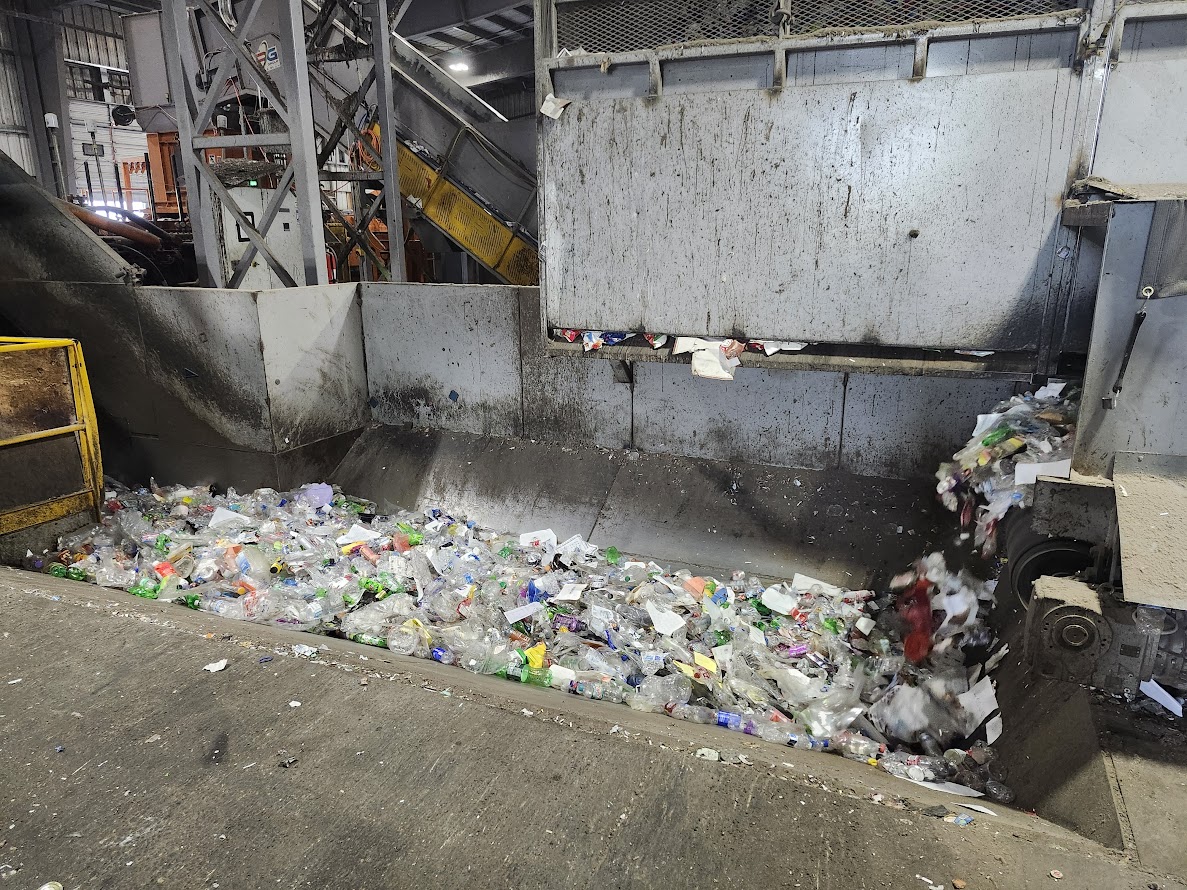
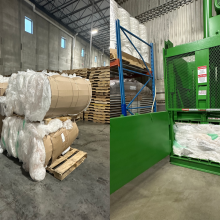
At Dem-Con’s MRF in Shakopee, trucks arrive daily carrying recyclables from across roughly a 1,000-mile radius. Acting as a regional processing hub for recycling haulers, the facility handles a constant stream of mixed recyclables, with plastic bottles and containers moving along conveyor belts through a system of screens, scanners and sorting stations.
Much of the work of separating plastics relies on advanced sorting technology. Optical sorters use infrared sensors to identify different plastic resins and direct them into separate streams. Separating the plastic containers by type is important because each type of plastic must be processed differently before becoming new products. While automation has greatly improved sorting efficiency, people remain essential to this process. Workers monitor equipment, remove problematic items and ensure plastics are properly sorted before being baled and transported to the next stage.
Challenges with contamination
For recycling professionals like Dem-Con's President, Bill Keegan, the message to the public is simple: what you put in the bin matters. In Minnesota, the average recycling contamination rate is about 12 percent by weight. State law requires haulers to deliver recycling to a MRF where machines and workers separate these contaminants from recyclables. While these facilities can handle some incorrect items, contamination slows sorting lines, lowers the value of recyclable materials and increases processing costs, ultimately raising the overall cost of recycling for the entire system. These added costs are often passed down to residents and businesses through higher recycling costs and contamination fees.
Some items also create serious safety risks. Lithium-ion batteries from electronics, power tools and electronic cigarettes can spark fires if crushed. When Dem-Con’s MRF first opened, it went four years without a battery fire. Today, the facility experiences two to three fires each month. To address this, they focus heavily on prevention efforts by participating in fire open houses, exhibiting to the public and educating residents about proper battery disposal. On-site, they use Fire Rover technology to detect fires early, have trained staff who can respond to fires quickly and safely, and rely on water cannons throughout the facility to help suppress fires when they occur.
Even with these contamination challenges, Keegan emphasizes that the system is working: “When you put the right thing in the recycling bin, it does get recycled.”
Small actions, real impact
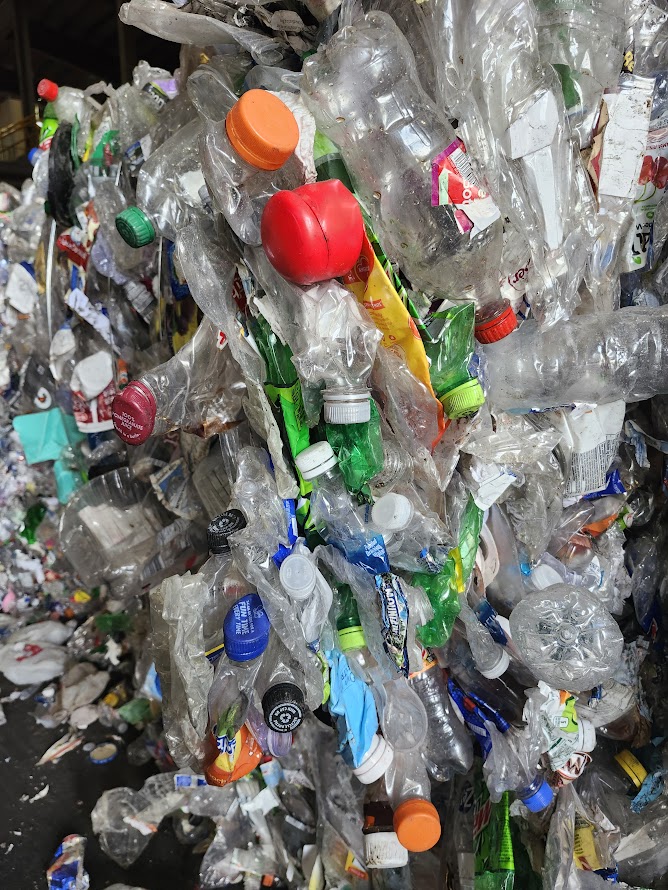
When plastic bottles and containers are placed in the bin correctly, they move through a system designed to recover valuable materials and prepare them for their next life as new products. To recycle your plastics correctly, make sure containers are empty and dry, replace the cap and throw away straws, pumps and sprayer tops. Look for resin numbers #1, #2 or #5 inside the chasing arrows symbol – if you don’t see one of these numbers, the item is not recyclable in Minnesota curbside programs.
Eureka Recycling
In Minneapolis, Eureka Recycling operates a MRF processing recyclables from households and businesses across the Twin Cities. The nonprofit processes approximately 400 to 450 tons of recyclables each day, including large volumes of plastic bottles and containers collected through curbside programs. Once processed, much of this material stays relatively close to home. In 2025, 52 percent of Eureka’s finished bales went to recyclers in Minnesota, 96 percent stayed in the Upper Midwest and 100 percent remained in North America.
Recycling markets: A moving target
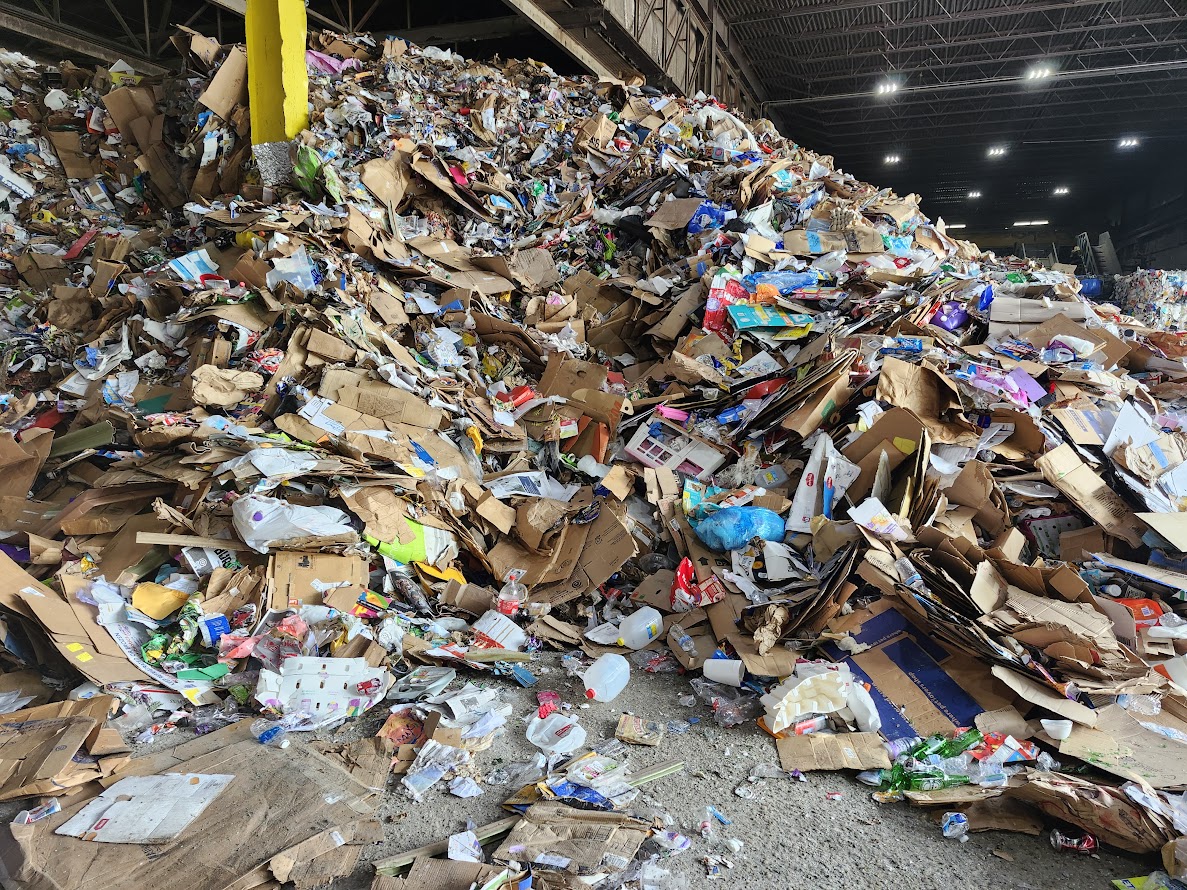
Sorting materials is only one part of the recycling system - market demand is just as important. Recycling depends on stable end markets, the companies and manufacturers that buy sorted bales of recyclables and turn them into new products. Eureka Co-President, Miriam Holsinger, describes the system as constantly shifting with supply and demand.
“I like to compare us to farmers,” Holsinger said. “Sometimes we’re having a bumper crop of cardboard boxes.”
The same is true for plastics. When supply is high - such as increased plastic beverage bottles in the summer - prices can drop and materials become harder to place. PET plastic has become especially challenging recently as recyclers face an oversupply of material, cheap virgin resin prices and weak demand for recycled content. This is one reason why manufacturers choosing to use recycled material in their products is such an important part of keeping the recycling system working. When demand is strong, plastics move more efficiently through the recycling system.
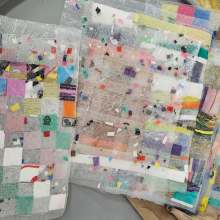
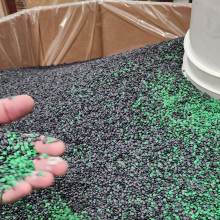
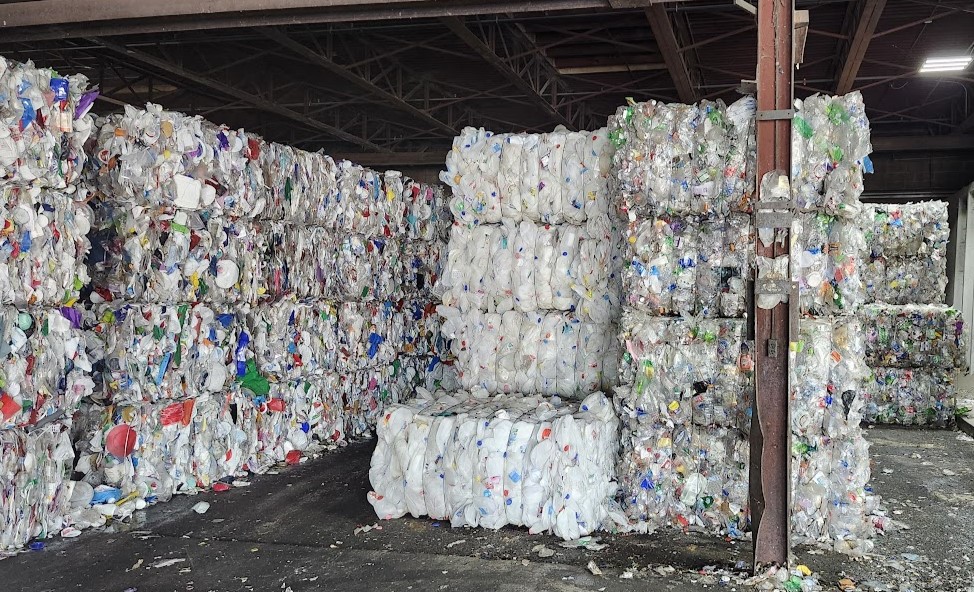
Once sorted and baled, plastics are transported to recyclers that shred, wash and convert them into pellets or flakes used to manufacture new plastic products. This system depends on a connected network of processors, manufacturers and transportation routes. Changes at one point in the system, such as shifting capacity or a plastics recycler shutting down, ripple across the entire recycling chain.
Recycling only works as a system
Holsinger emphasized that recycling only works when people participate and understand its impact. As she notes, many people still assume recycling does not matter, but this simply isn’t true. Recycling reduces reliance on landfills and drives economic activity, with approximately 78,000 Minnesota jobs being directly or indirectly supported by the recycling industry. Participation in this system is a critical part of the equation.
When plastics are placed in the bin correctly, they don’t disappear - they become part of a broader system that turns used materials into new products. But when recyclables are thrown in the trash or contamination ends up in the recycling bin, that system becomes less efficient; valuable plastics are harder to recover, processing costs increase and more material is lost to disposal. Each step depends on the one before it, and when people participate consistently, they help keep that system running smoothly.
In Part 2 of this series, we’ll follow recycled plastics beyond the MRF and take a closer look at how two Minnesota businesses process them so they can be made into new products.
Waste Wise can help you reduce waste and save money
Waste Wise experts have secured more than a million dollars in grants for Minnesota businesses that reduce, reuse, and recycle. We’re here to help you get started. A site visit is a quick and easy way to identify projects that help your organization reduce waste and save money.
SHARE


Recommended Articles